Cleaned with care. Checked with data.
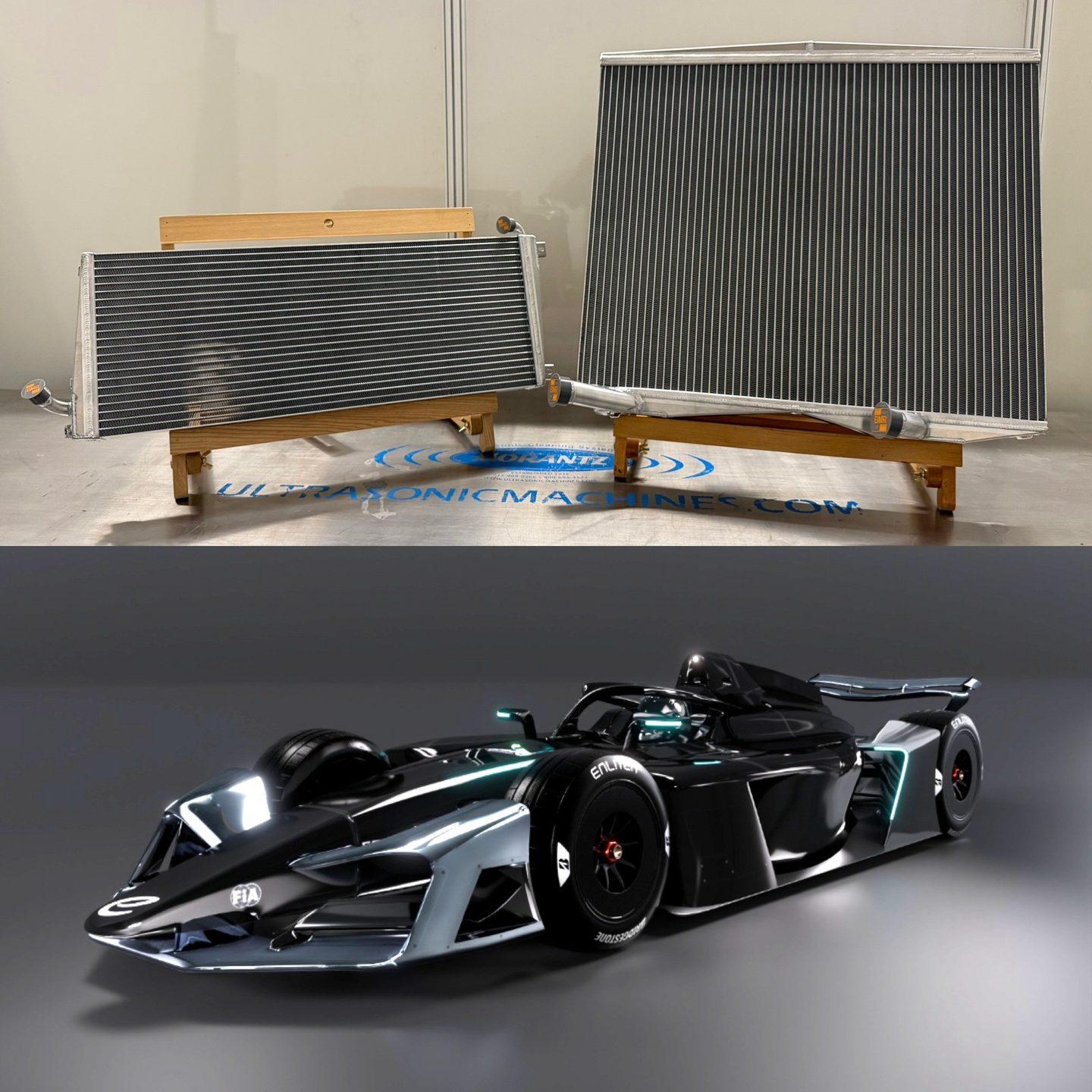
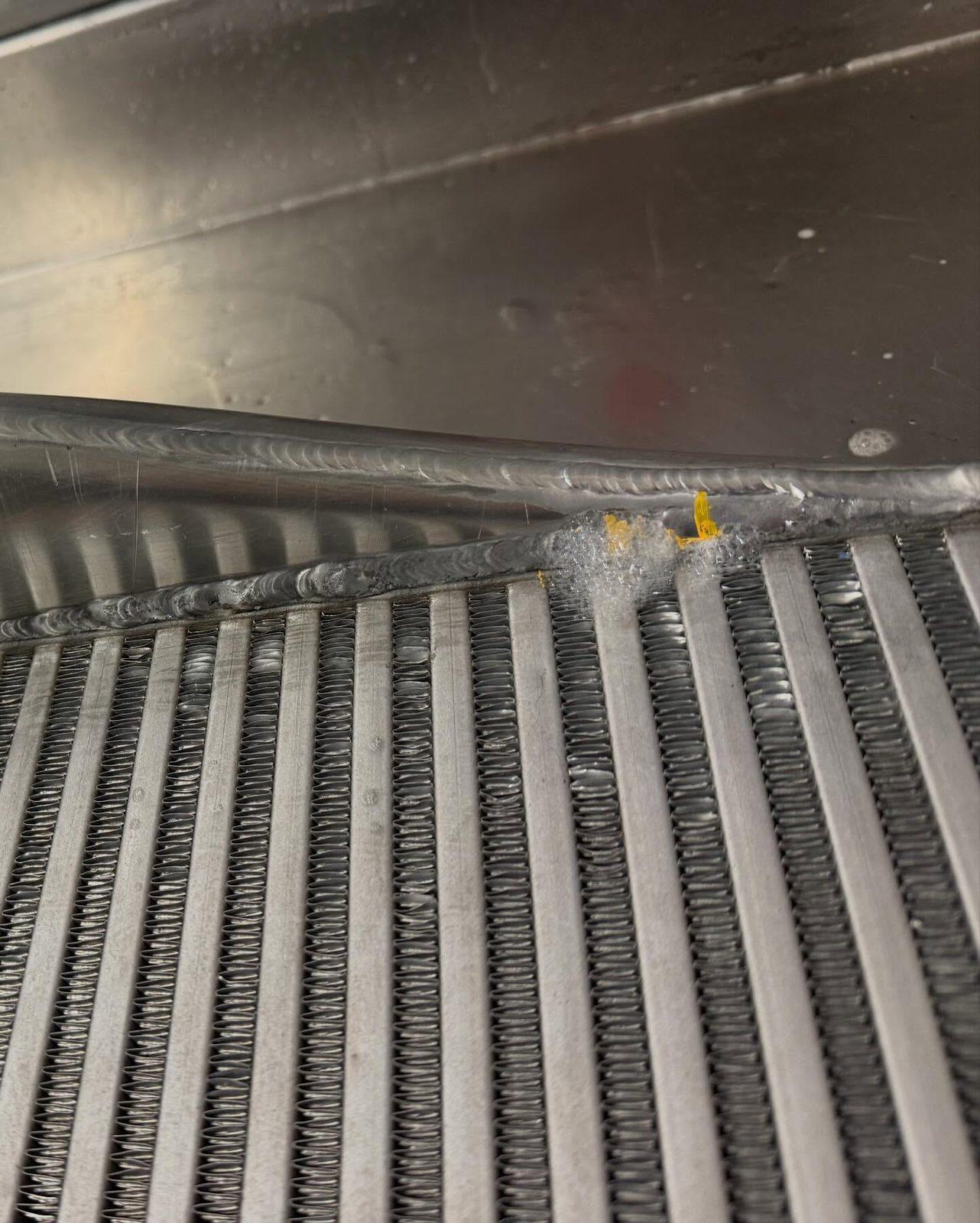
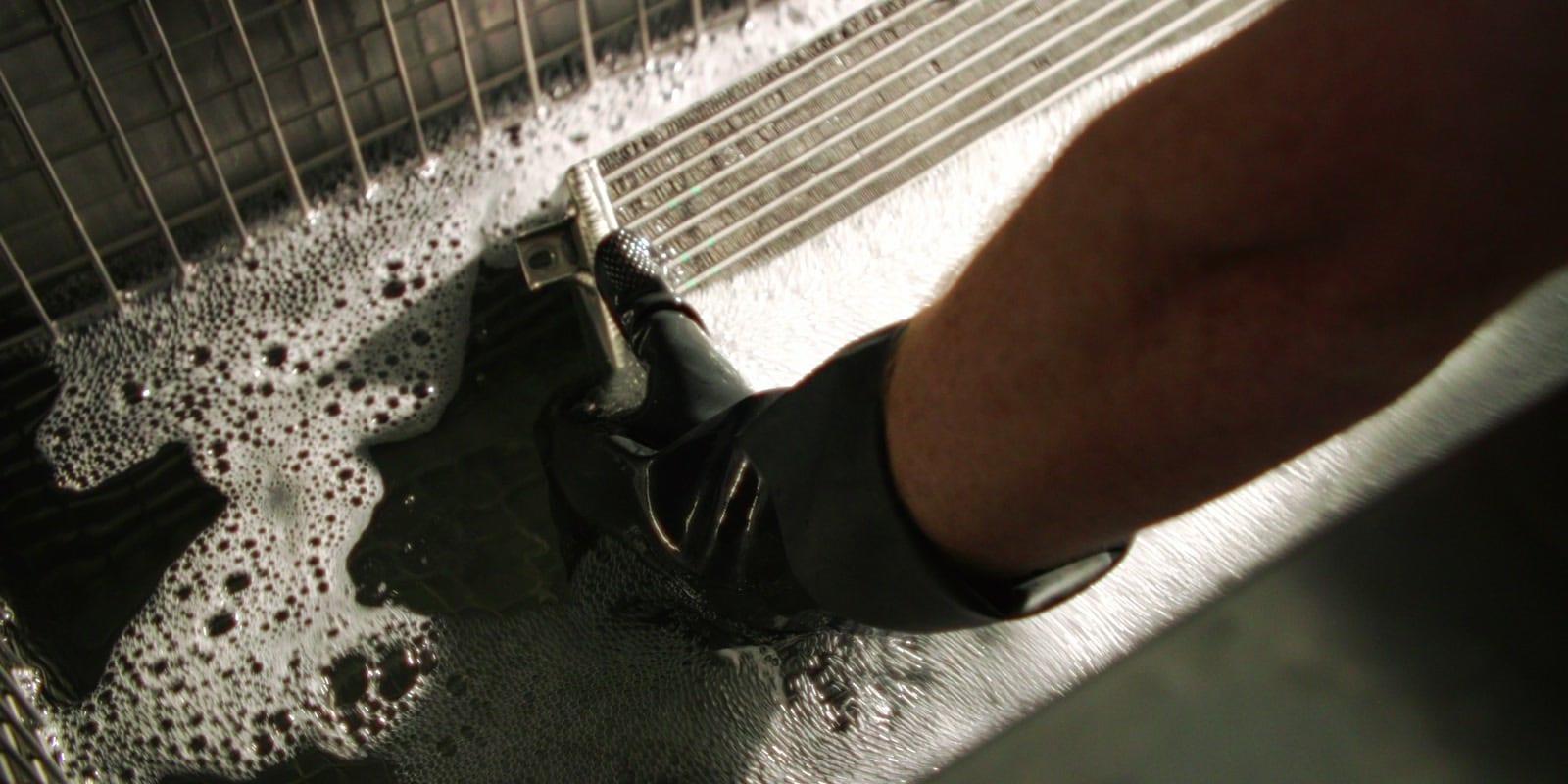
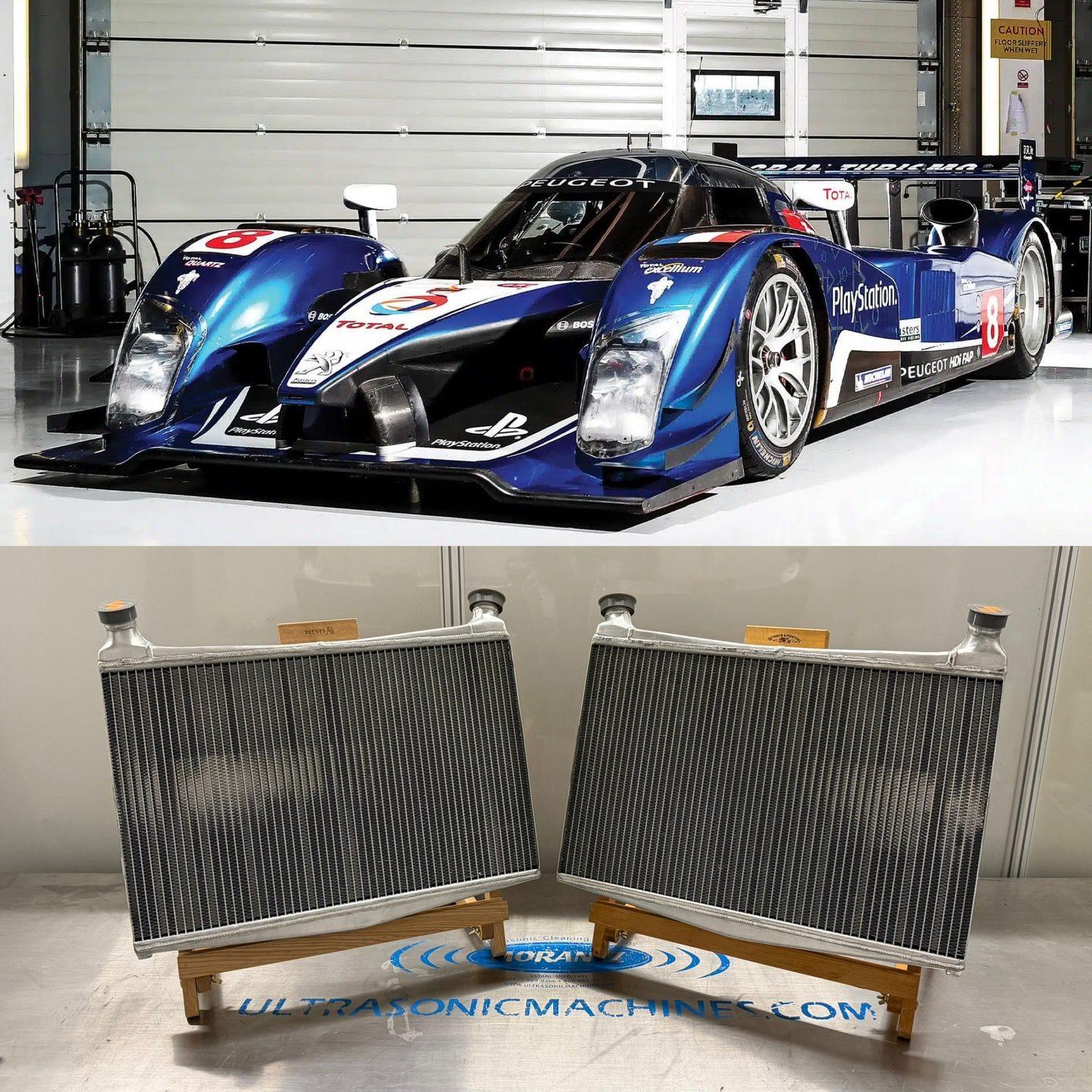
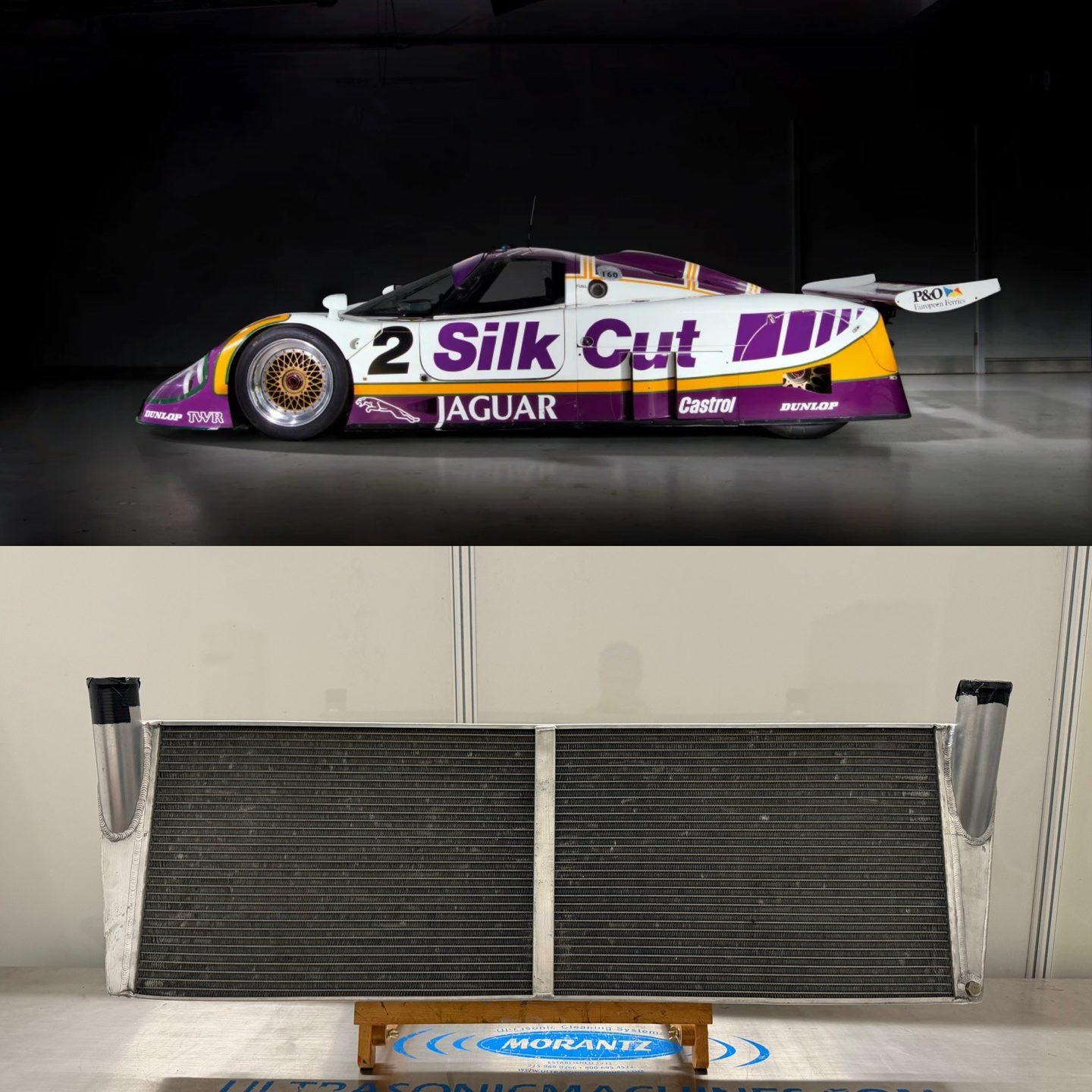
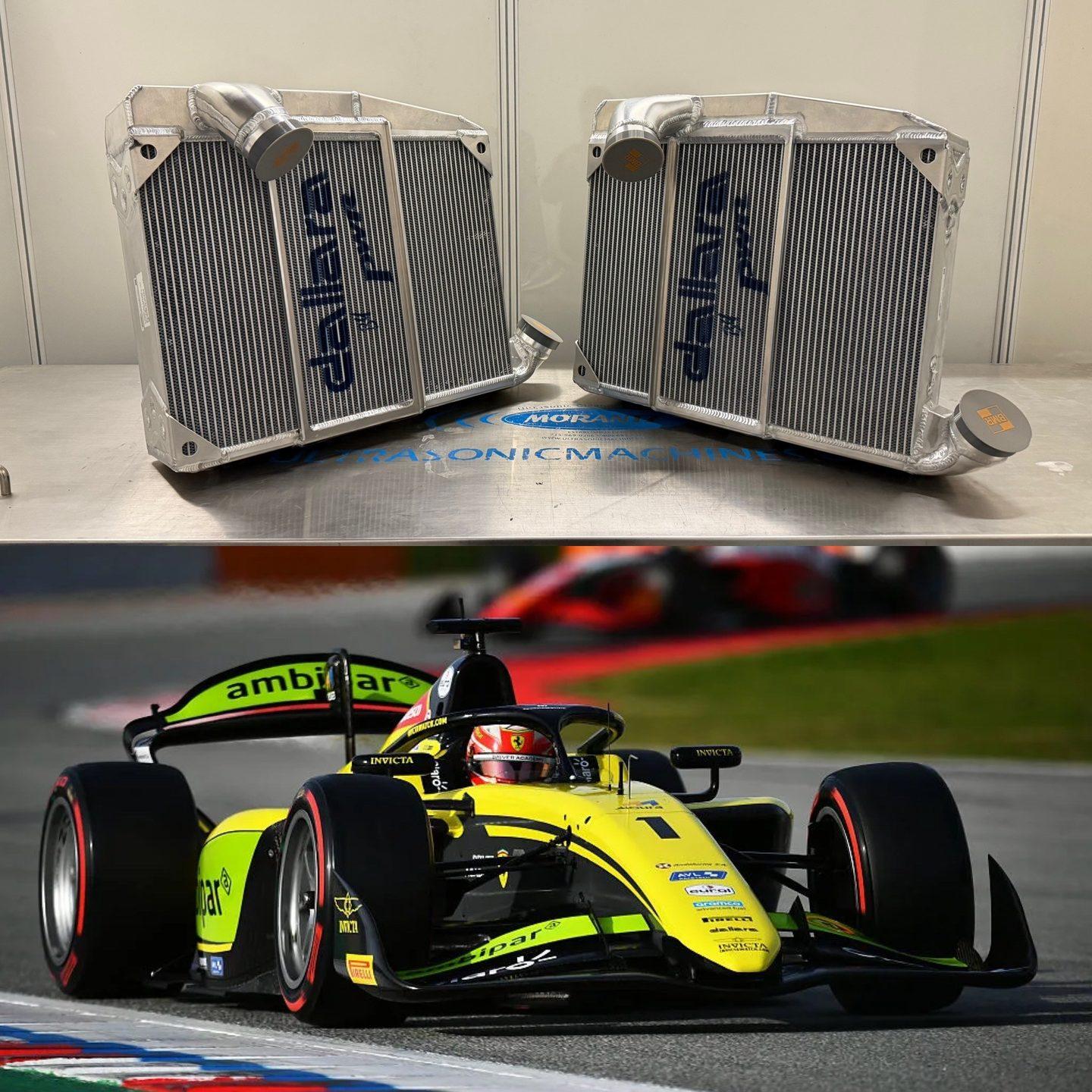
BMR services and tests the cooling components that race teams depend on. Water radiators, oil coolers and intercoolers come into the workshop at Turweston, where each one is inspected and its starting condition recorded, cleaned with the fins straightened, flushed with fully distilled water, pressure tested, and flow checked with the results recorded. Every job leaves with a test report, so flow can be compared across service intervals and defects are found before they become a trackside problem.
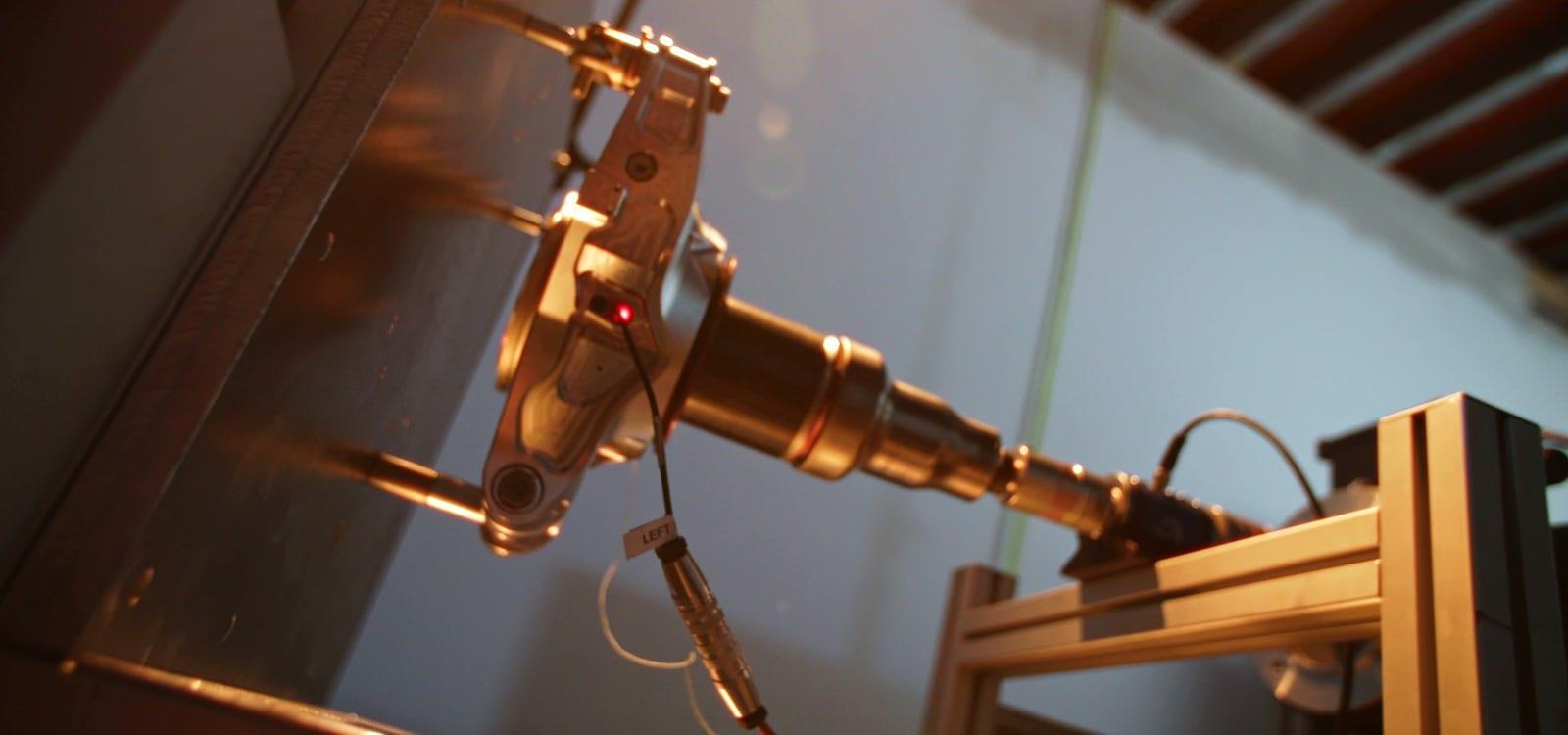
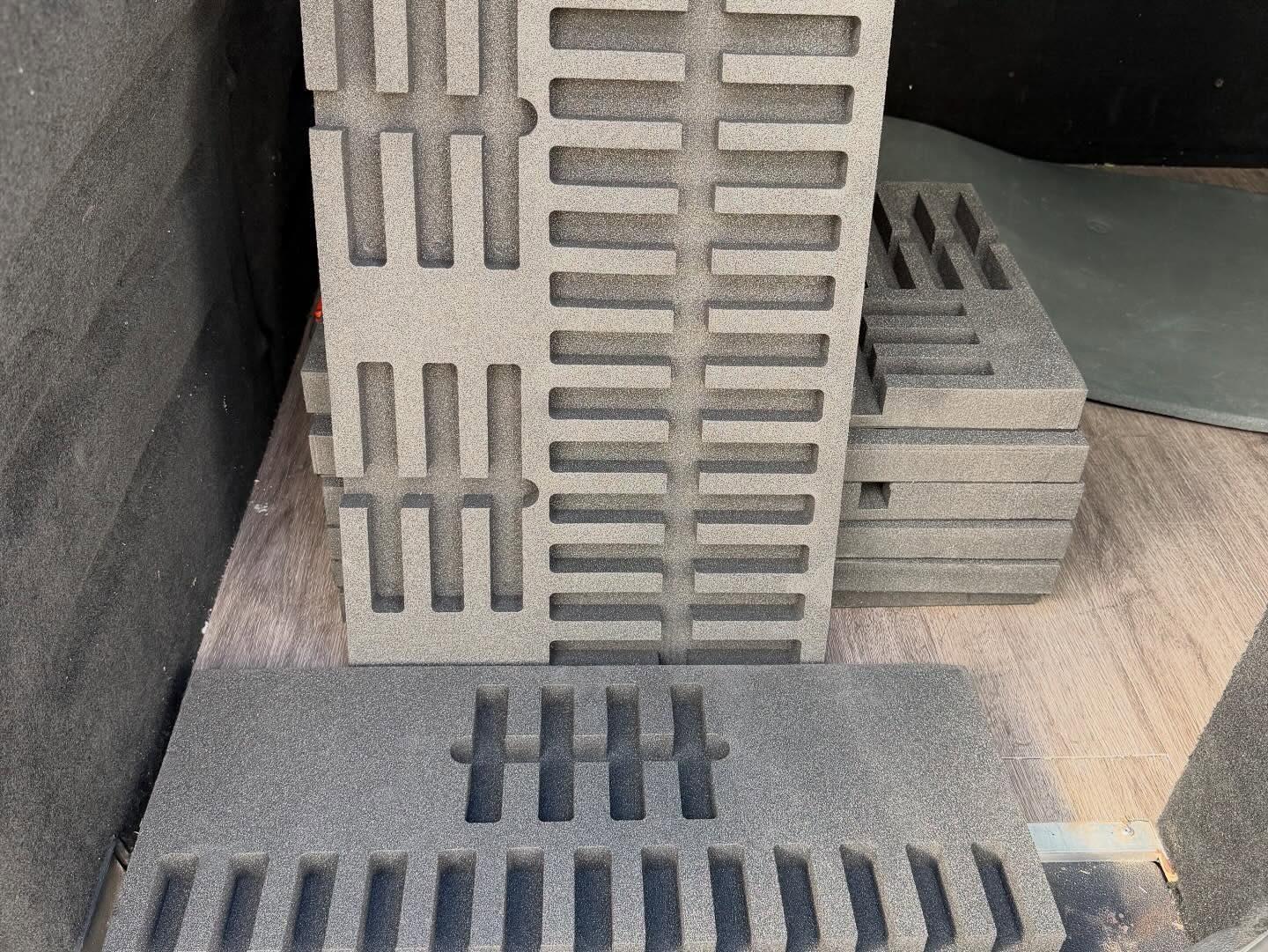
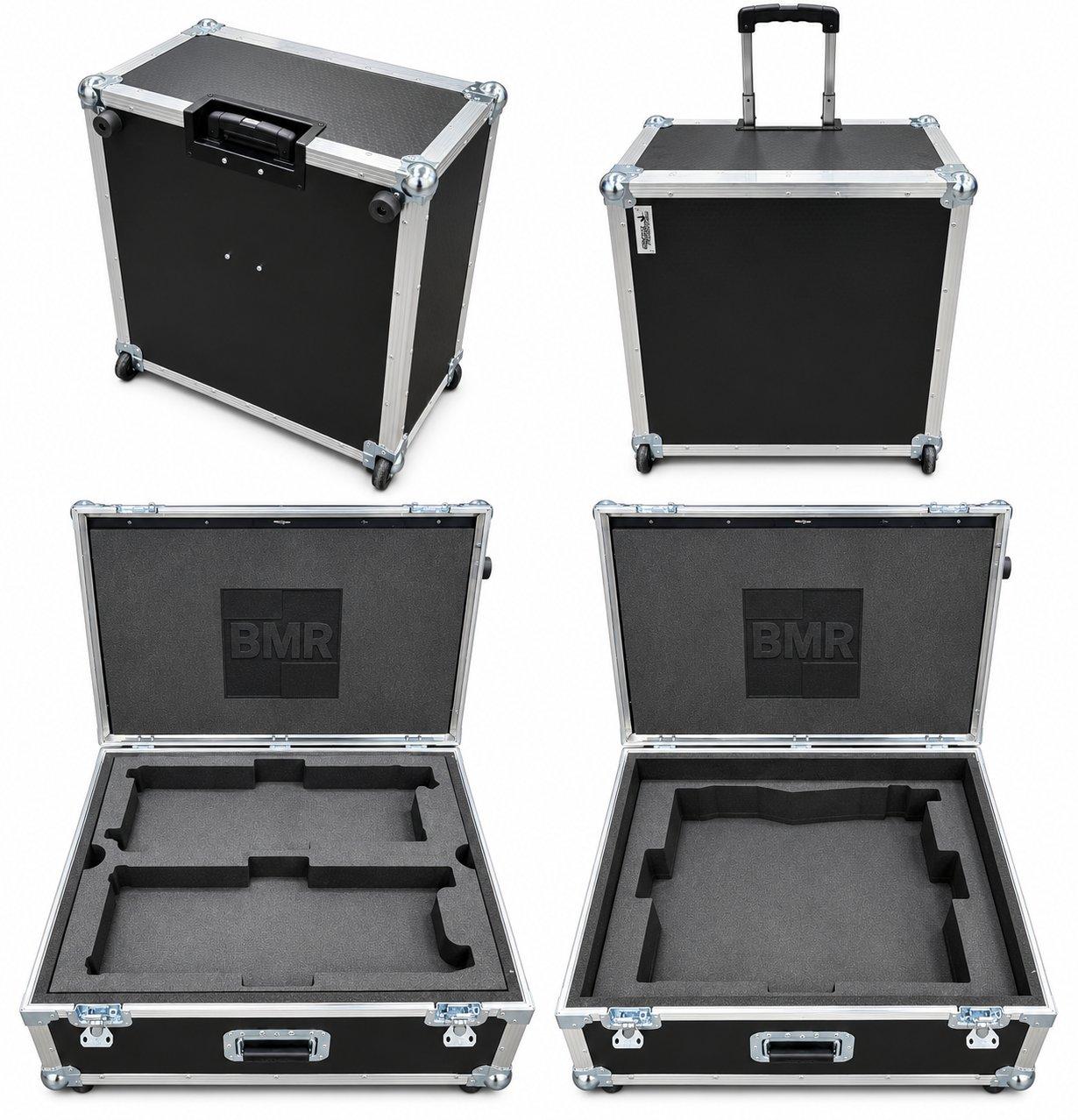
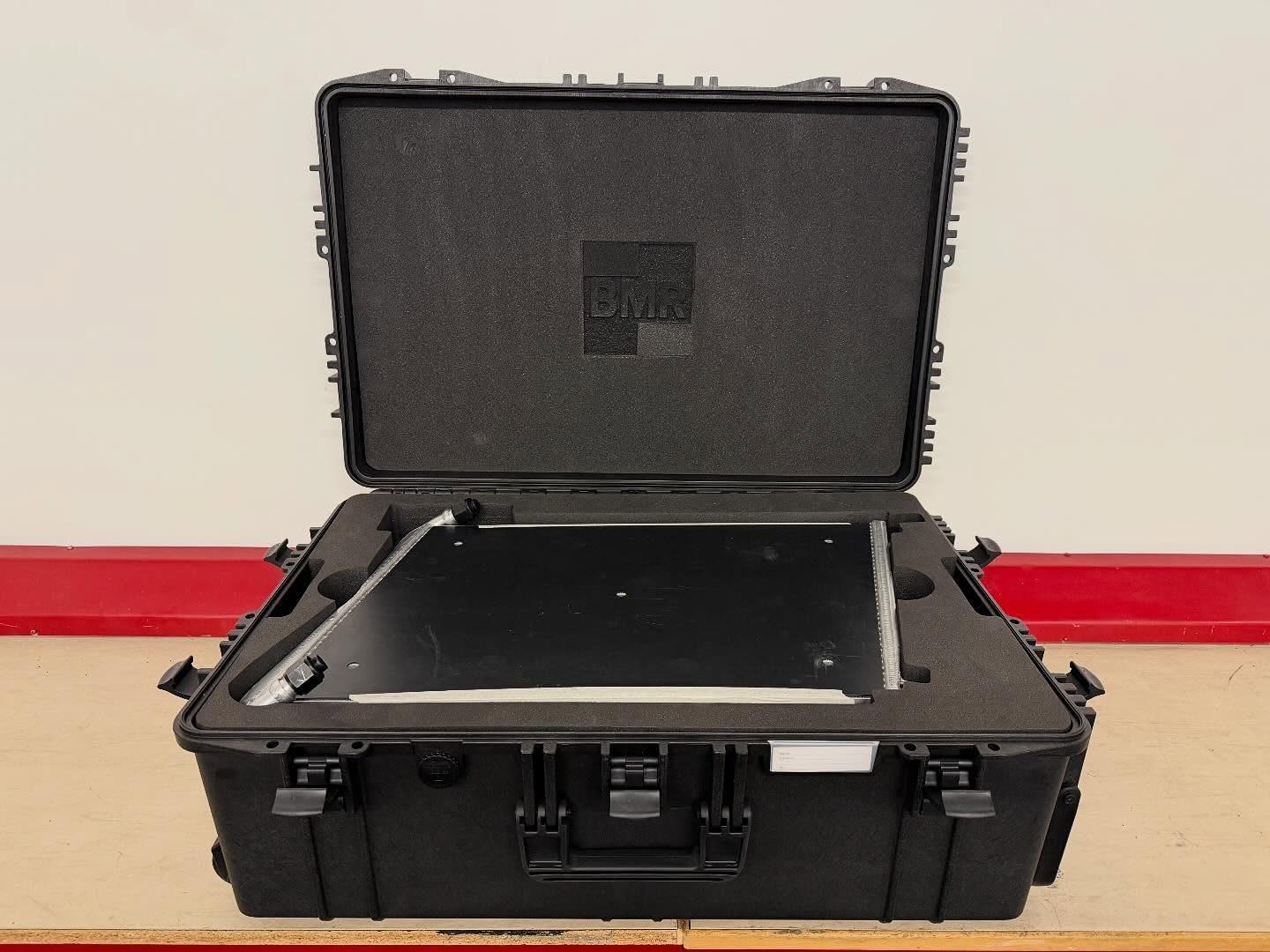
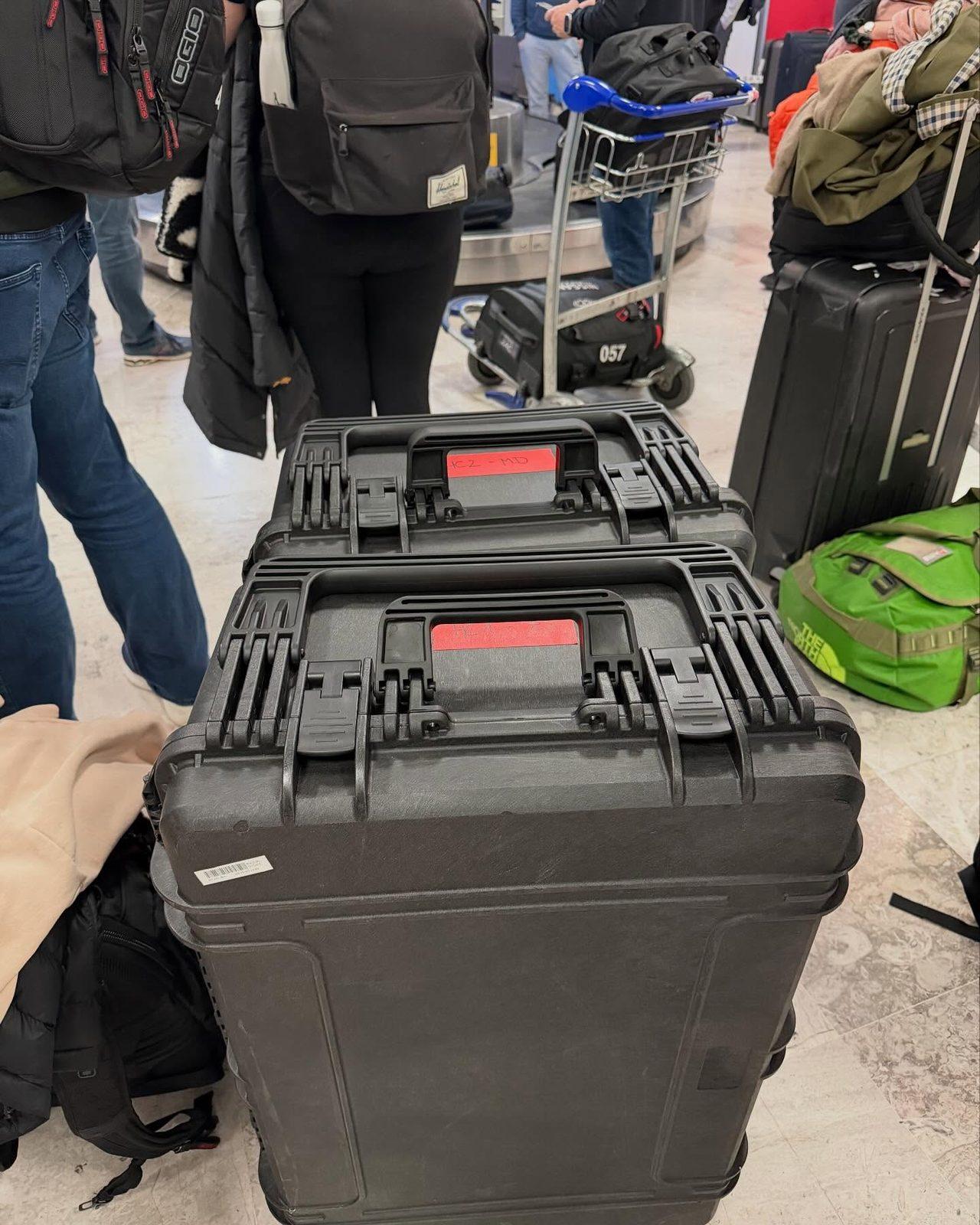
Alongside the radiator work, an upright spin rig measures turning torque so bearing builds, greases and preloads can be compared with data. A torsion and anti-roll bar rig measures stiffness as torque against angle. Custom-cut foam inserts and team-branded travel cases protect components between workshop and track, with collection, drop-off and air or freight options arranged around the race calendar.
Rigs and facilities
Measure the drag. Understand the difference.
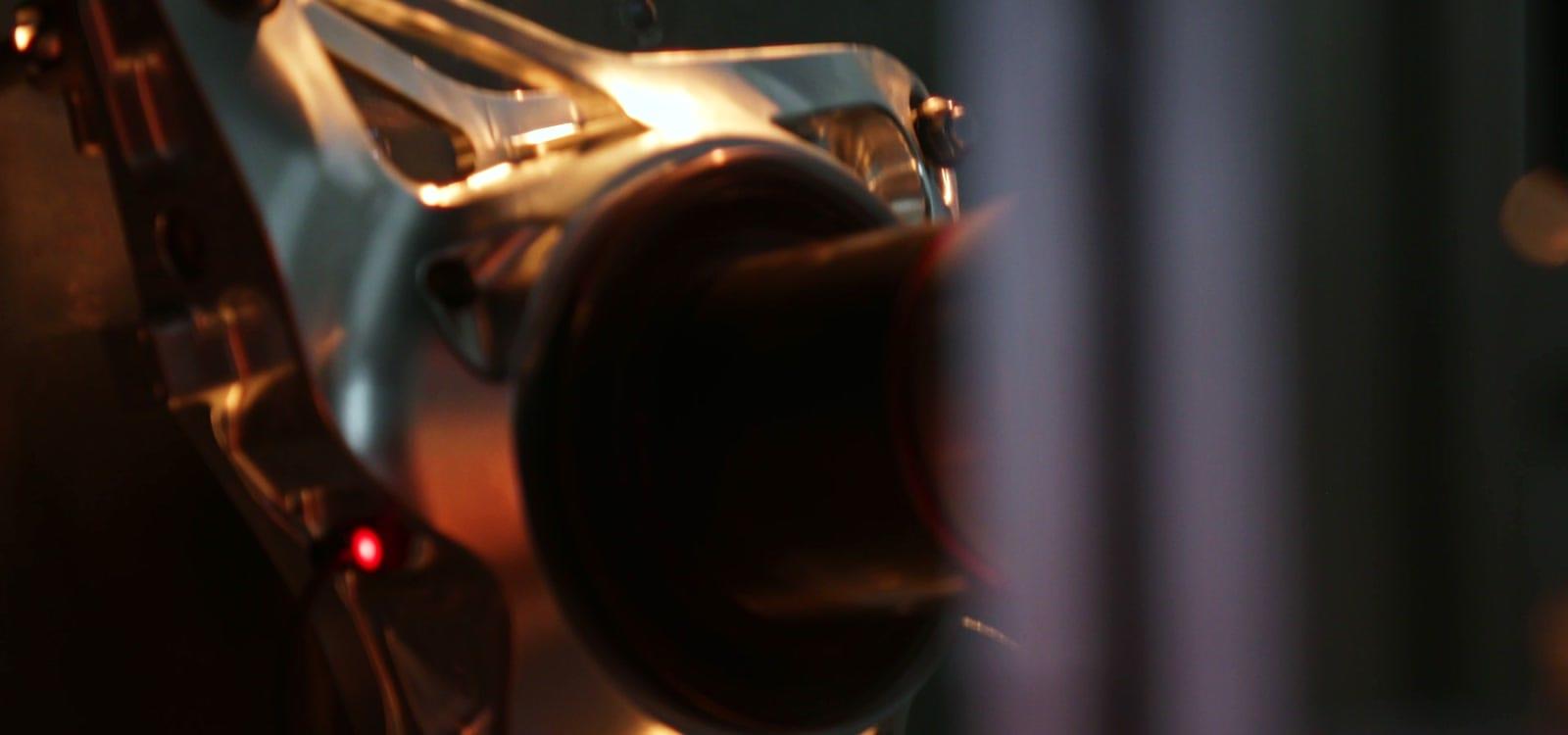
Small reductions in rotational resistance can matter in a highly optimised race car. BMR uses a dedicated upright spin rig to measure and compare turning torque, so teams can see the effect of bearing condition, assembly choices and component preparation.
The rig gives baseline comparisons of standard and rebuilt uprights, mean turning torque and torque traces, and comparisons of bearing grease type and quantity and of preload spacer selection, before and after servicing, as well as checks on used uprights at the end of a service interval.
Because the data can be reviewed and compared between specifications, it makes it possible to assess whether a change reduces measured turning resistance and to identify uprights that behave differently from the rest of a set; test conditions such as speed and temperature are considered when the results are interpreted. Whether you are evaluating a new bearing build, checking consistency across a fleet of uprights or investigating changes after race mileage, the results are clear enough to act on.
Know your bar stiffness with confidence.
BMR runs dedicated torsion and anti-roll bar testing to measure the relationship between applied torque and angular deflection, so engineers can select, compare and manage suspension components with greater confidence.
The tests cover torque-versus-angle measurement, stiffness comparison between bars, repeatability checks, identification and comparison of different specifications and assessment of used components against baseline results, with clear graphs and recorded test information for engineering review.
A measured torque-versus-angle curve can help quantify a bar's effective torsional rate and reveal differences between nominally similar components. Fixture geometry, effective lever arm and test setup are documented with each test, so comparisons stay meaningful. From individual components to a full inventory, BMR provides a practical testing service that supports setup preparation, component tracking and engineering development: contact BMR to discuss your bar type, dimensions and the test range required.
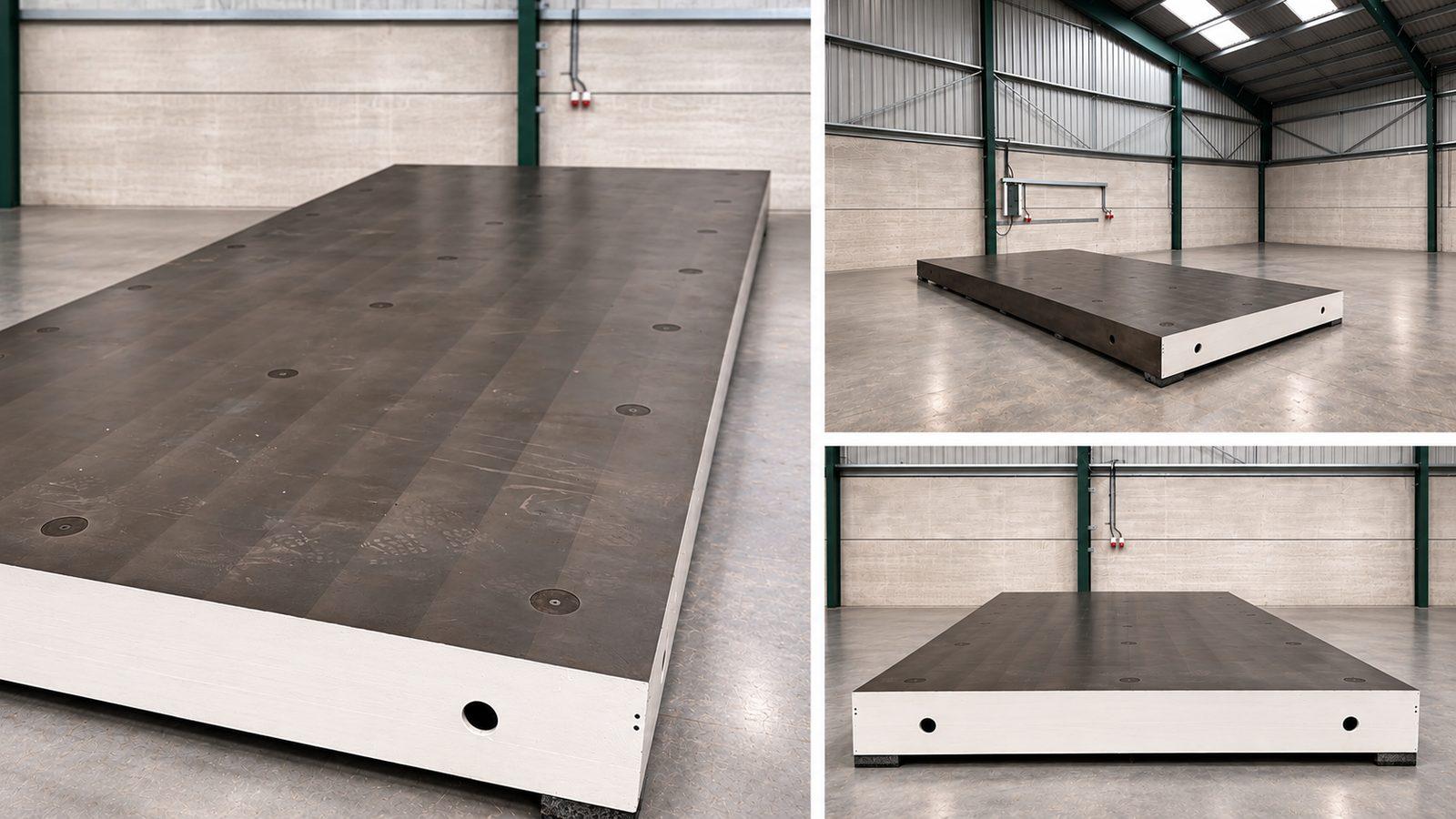
Race car setup and measurement on a 7 m by 3 m precision flat plate.
Race teams can book BMR's precision flat plate: a stable, level reference surface for accurate vehicle setup, chassis measurement and suspension geometry checks. It suits ride height measurement, suspension alignment, chassis inspection, corner weight preparation and setup verification, and removes the inaccuracies that come from an uneven workshop floor.
Whether preparing a car ahead of a race weekend, carrying out detailed chassis inspections or developing a consistent baseline setup, the plate gives a controlled environment for precise and repeatable measurements. Access and setup support can be arranged as individual sessions, pre-event checks or an ongoing development programme.
For more detailed dimensional analysis, a FARO portable coordinate measuring arm can be made available at additional cost, for accurate 3D measurement, chassis geometry verification, component positioning and dimensional inspection. Contact BMR to discuss requirements, availability and booking.
Discuss your programme
Send component details and what you need testing or serviced, and Brian will reply.
@bmrsonicclean (opens in a new tab)
Turweston Aerodrome, Biddlesden Rd, Brackley NN13 5YD